- info@wildlife-removal.com
Call us for help in your town
Wildlife Removal Education
Rats in the Attic
Need rat removal in your hometown? We service over 500 USA locations! Click here to hire us in your town and check prices - updated for year 2020.
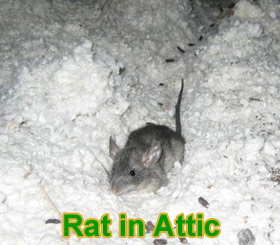 The most common critter to enter attics in many areas, including where I work, in Florida, is the rat. Once inside the home and attic, rats and mice cause the following problems:
- Rats/Mice scratching in the attic
- Rats/Mice scratching in the walls
- Rats/Mice leaving droppings everywhere
- Gnawing on electrical wires
- Concerns over health risks
How Do You Get Rats Out of the Attic? Follow these steps:
FIRST: Inspect your entire house or building, and find all the open holes and gaps that rats are using to get into the structure. This can include vents, eave gaps, roof lines, etc. Check from the ground up, and definitely the entire roof. Once inside, rats
can scurry though any part of the architecture, the walls, the ceiling, and get into the attic, where they like to live and nest. Read about how are rats getting in.
SECOND: Seal up all of these entry holes, using steel, which rats can't chew through. I bolt the steel in place. Use a sealant to block off all air flow, and to discourage rats from trying to get inside (they can smell air coming through a gap).
THIRD: Only AFTER everything is sealed should you bother to trap and remove the rats. Set snap traps. They are definitely the best type of trap to use - on the rat runways in the attic. Read more about how to trap a rat here.
FOURTH: Remove the trapped rats until you hear no more sounds in the walls or attic. That's how you know the rats are gone.
FIFTH: Clean up the attic space afterward. Learn more about the process in my attic cleanup page.
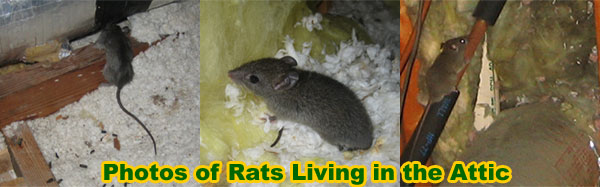
There are two main species of rats in the US, the Roof Rat and the Norway
Rat. The Roof Rat is more common in warm areas, and more likely to enter the
attic. Norway Rats tend to stick to the ground and the sewers and basements,
in their stomping grounds up north. House Mice live everywhere, and they
also commonly go inside attics. Rats and mice are commensal rodents, which
means that they associate themselves with people, not the wild. They are
more common in cities than in the country. As such, they most commonly live
inside buildings, and since they don't like to be seen, they mostly live in
the walls and inside the attic. They are active year-round, and they can
breed in very high numbers. Thus, rats in the attic can quickly get out of
hand if not properly addressed. How much does rat control cost? Check extermination prices.
How Do You Get Rats Out of the Attic? - The best tool is education. Here
are tips about rats in the attic - how to detect the evidence, and how to solve the problem:
TYPE & TIME OF NOISE: Light scurrying
noise at night, anywhere in the attic or walls. Not much else to say.
They sometimes sound very fast. If the acoustics are right, they can sound
much bigger than they are.
HOW THEY GOT INSIDE: Rats can climb pretty much any surface. They can
get wherever they want to go. They can squeeze through amazingly small holes
and gaps. They can get in through the sewer pipes or any possible gap or
hole in a home, from the foundation to the tip of the roof. They can also
chew. If a rat detects just a small breeze coming from inside, they'll get
in.
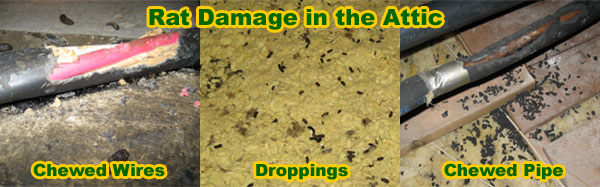
EVIDENCE LEFT BEHIND: Rats leave a ton of droppings, sometimes tens
of thousands of droppings in an attic - they look like 1/3 inch brown thick
grains of rice, very similar to squirrel droppings. They also leave tunnels
and trailways in the insulation. They also leave chew marks, and
interestingly, they leave brown smudges from grease in their fur, and this
lines the commonly travelled rat routes. You might see chew marks, on pipe insulation, wood, or electrical wires.
TIME OF YEAR: 24/7/365. However, rats are especially aggressive about
getting inside a warm attic during a cold winter.
METHOD OF CONTROL: First of all, mothballs or ammonia won't make them
leave, nor will ultrasonic sound emitters or strobe lights. These tactics
have been ruled fraudulent by the FTC, and they DO NOT WORK. POISON IS A
HORRIBLE IDEA FOR MANY MANY REASONS - poison won't solve the problem, and
it'll just create more problems. The only way to solve a rat or mouse
problem is to find every last point of entry into the house, and seal it
shut. Then the rats should be trapped and removed. Snap traps are actually
the very best way to do it.
For more info on general rat control, go to my main
rat removal page, or my extensive instructional
how to get rid of rats page. Again, if you are having trouble doing it yourself, you
can give a professional a call off of my directory of expert Rat Removal Companies,
and see what they have to say, or schedule a service appointment to get the problem correctly
and permanently taken care of.
How To Get Rid Of Rats In The Attic - Rats are one of the most problematic pest animals to deal with for those who have attic spaces, as they can squeeze through holes that are around the size of a quarter, while they are also prodigious breeders. They can successfully mate throughout the year,
meaning that if you have rats in the attic, then there is a good possibility that they will have a nest of baby rats that you will need to deal with as well. Because of the diseases they can carry, you should also check up on the equipment that you will need to safely trap the rats without any risk to your health.
Building Inspection and Rat-Proofing
The first and most crucial thing is to inspect the house and find all possible entry holes, and before starting any trapping, carry out repairs and seal the attic so the rats can't get in again.
Also, carry out a visual examination of the attic to find the holes they were using to get in and out of the attic. These can be identified by the brown smudges of grease that comes from the rat's
fur, and should all be sealed to prevent future rat infestations in the attic.
Do rats leave the attic during the day?
No, they sleep in the attic all day. You hear the scratching rodents in your attic at night, correct? So you might assume that the rats are entering your attic at night. That is not the case! They sleep
in your attic all day, and then at dusk they wake up, and start moving around, and that's why you hear them after dark. Rats leave the attic during the night, to go out and forage for water and food. Then
they return to the attic. They usually don't leave the attic for very long. A rat does not want to be exposed to danger outside for very long! If you think you can just seal shut the entry holes into the house
during the daylight when they are outside, that is incorrect. Timing a sealup for rats is impossible, because they leave for short periods, and they don't all leave at the same time of night.
Should You Use Cage Traps To Catch Rats?
Cage trapping is often considered to be the most humane way of dealing with an animal problem, and certainly when it comes to larger animals it is fair to say that it can be effective. However, rats are a nuisance animal wherever you choose to release them, and they also have a particularly low rate
of survival once they have been relocated, so in most cases using humane lethal traps will be the best way to deal with the infestation.
Lethal Trapping
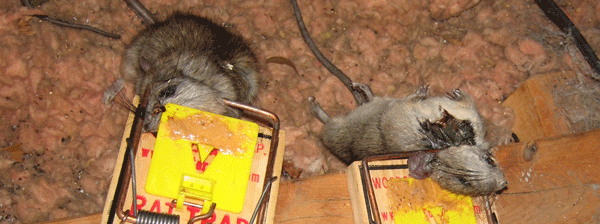
The traditional style snap traps are still among the best ways of dealing with a rat problem, and these are simple to set and bait, and you should look to place them in areas where the rats are active, so where you can see feces and smudges on the walls. There are several other types of lethal
traps, including the crocodile trap, which has teeth that close on the rat, and even gas chamber traps. Avoid using poison and glue traps, as these are inhumane and cause more problems than they solve.
Clean Up and Damage Repair
Once you are confident that you have caught all of the rats that are in the attic, then it will be time to check for any insulation or wires in the attic that need to be replaced, and for
any nesting material to remove, and feces to clean up. Having completed the repairs to wires, and possibly vacuumed feces or replaced insulation (not usually necessary) fumigate the attic to kill any remaining parasites or spores from the rats.
Customer Email:
Hello David, Thank you for having a web site regarding rats in the attic.
Yesterday I learned that a rat was in our attic. We discovered that it
chewed it's way in through a roof vent. It seems to be trapped in the attic.
It has been trying to work it's way out through the mesh/screening vent
under the gutter. We have left some nuts near the attic opening in our
garage. We left a tall latter under the attic opening and left the garage
side door open. The rat found it's way to this area, ate a few peanuts, but
returned to the mesh/screen vent. Today, I asked my husband to open up the
screening on the vent that the rat was trying to get out from. He also
repaired the area that the squirrel originally chewed to enter into the
attic. My husband believes that it was too difficult for the rat to exit in
the same way it had entered. Our hopes is that the rat will exit and after
not hearing it for a day or two, we can repair the screen vent area. If the
rat does not leave, we will learn that it is no longer concerned about being
trapped and plans to stay. Our next step is, is to rent a live animal trap.
We do believe that most likely, the rat is an expecting mother searching for
a place to soon give birth. After reading your web site, we realize that we
only have a short amount of time before she will have her babies. Please
e-mail me your advice, opinion, and recommendation. Thank you, Sincerely,
Renee
Renee - That's certainly a lot of monitoring and concern for a rat! I've
never seen the like. The truth is that where there's one rat, there's
usually several. It's quite possible that you have more than one rat on your
hands. I'm surprised that you saw it, since it's very rare for people to
spot these elusive and nocturnal creatures. Usually if you see one, there's
ten you don't see. I can come to your house and perform a full inspection,
and find out exactly what you've got going on, and take care of the problem
for you, if you wish.
Top 3 Ways to Remove Rats in Your Attic
When it comes to rats, you don't really have a lot of time to mess around. They breed very quickly, which means that you need to get them out very quickly to avoid a large infestation, followed by large amounts of damage.
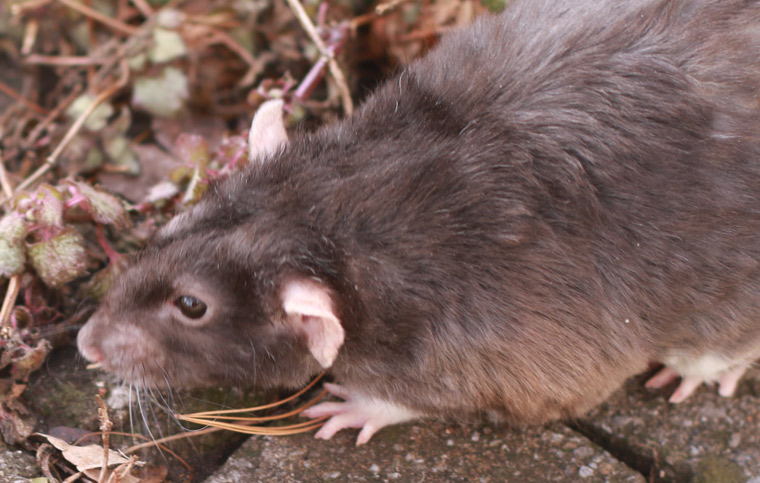
There are essentially three ways of getting rats out of the attic. In fact, there are actually many more ways than you could think of to get rats out of the attic, but there are three particular methods that are commonly taken by homeowners and business owners alike. Only one of those top three will actually be successful.
Method 1: Poison
Yes, using poison for rats in the attic sounds like a great idea at first, but that's before you take everything else into account.
How will you make sure that you find and dispose each and every dead rat that eats the poison?
What will you do when the rats show immunity to poison and, therefore, do not die? (It WILL happen.)
How long will you give it before you take a different approach to attic rat removal?
What measures will you take to keep pets and children away from the poison, and other wild animals too?
Rats are fast building up an immunity to rat poison, which means that dangerous substance you're sprinkling around so freely might not actually kill any of the rats off at all. It probably will have quite the impact on your cat though, especially when rats eat the poison and don't die, but the cat hunts, catches, and then devours/bites/chews the rat.
Would we recommend poison as an effective method of attic rat removal?
No.
Method 2: Trap and Release
Do you know how long it would take you to successfully trap and then release every single rat in your attic colony? A very long time - It would be similar to trying to empty a lake with a teaspoon. It's just not a sensible or viable option.
Trapping and releasing causes other problems too - you might catch another wild animal instead of the rat you're aiming for. (Not always a bad thing, admittedly.) You might also make an already-smart rat so much smarter. It's going to learn from the bad experience - getting trapped and then dumped outside, miles away from home. It will make its own way back home too - your home. You won't drive far enough away to keep this critter at bay. Even if you were successful in this challenge, the rat would probably die because they rarely survive when released far away from a familiar territory and its friends/family. You might as well have just used kill traps, which brings us nicely to our next point.
Method 3: Kill Traps
Also known as typical "rat traps" or snap traps, kill traps for attic rat removal work. They deal with the problem, and sadly, killing rats is often the only viable option. There are already too many of them and they are fast becoming a problem everywhere in the world. The Black Death or Bubonic Plague was a real threat in the Medieval Ages, and there's a very big threat that the plague, as well as other rat-borne diseases, will make a comeback ... with a vengeance unlike anything we've ever seen.
Rats spread diseases. We do need rats, but we don't need rats in the large numbers that we're seeing them in. They're becoming so smart, adapting so much, that they are learning to avoid traps and become immune to poison. If we don't make a change to the way we deal with these rodents now, they are going to be a much bigger problem in a few years than we ever thought possible.
15 Ways That Rats Can Damage Your Attic
Although disease is very often the first thing that comes to mind when you have a rat infestation in your home, it's definitely not the only concern. One of the biggest things that home and business owners do not think about when setting traps or using poison is the damage that might be lurking in the shadows. All wild animals are known for their fair share of damage and destruction, but with rats, the destruction really can spread far and wide. It could also have far greater repercussions than you'd think, too.
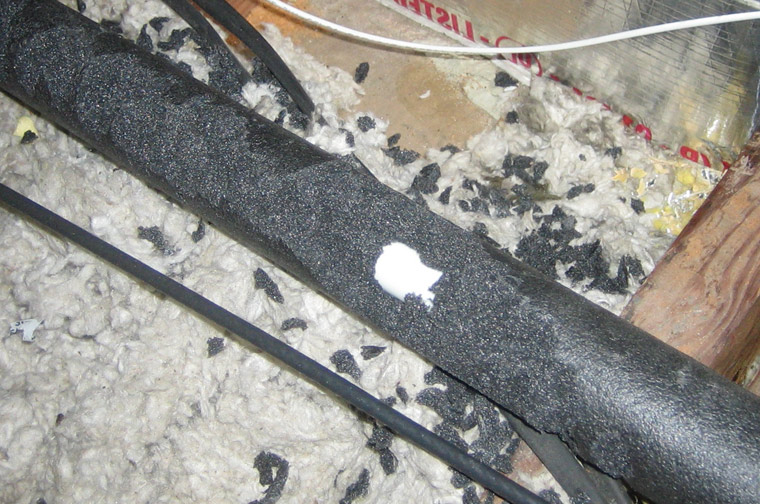
Here are 15 ways that rats can damage your attic (and some of them might just surprise you):
1 - Rat poop and urine contains pheromones which attracts other rats, which means all the damage we are about to list will happen on a much greater scale the longer you leave the rats to their own devices.
2 - Rat urine and feces creates a damp environment in which mold can grow in.
3 - Rat urine, feces and mold together can cause water damage - unsightly damp patches on the ceiling from the attic above, for example.
4 - Water damage can weaken materials and structures, such as the foundations that keep floors or ceilings up. Over time, these structures can weaken and cause the entire roof or floor to cave in/fall to the floor below.
5 - Water damage can also cause further damage and weak points to other parts of the attic, and this allows more rats to enter the building, as well as other wild animals also.
6 - Rats are food for a number of predators, so, alongside any rat damage you will face you may also need to consider the damage caused by other animals that the rats attract, such as raccoons, foxes, coyotes or opossums.
7 - Rats can easily chew through plastic, which makes some of the plumbing work in your attic (and all over your home) vulnerable. If a rat were to chew on a pipe that contained fluids, a leak would form and you would experience problems associated with leaks and water damage. (We have mentioned a few already.)
8 - Rats can also easily chew through wood and drywall, and will make any smaller hole larger with enough chewing. This enables them to find any hole, make it bigger, and then get into the property. You could end up with multiple rat holes all over the building.
9 - Chewed electrical cables in the attic can cause problems with the electrical system itself, sometimes requiring a costly electrician to resolve them.
10 - Chewed electrical cables can also cause mains-operated devices to become faulty, either because the wires for the devices are chewed, or the wires behind the socket or elsewhere along the system have been chewed.
11 - Chewed electrical cables are also responsible for a huge fire hazard, especially if the chewing leaves exposed wires. If those charged wires were to come into contact with other materials, such as attic insulation, a fire could easily start. As well as posing a huge threat to the lives of everyone in the building, the fire could also cause far-spread damage that is incredibly costly to repair.
12 - Attic insulation can be chewed by rats, usually to make into a comfortable nesting or bedding area. This attic insulation will then be considered "contaminated material" and must be disposed of. In the worst of cases, the entire attic may need to be entirely re-insulated, which is a costly and time-consuming job.
13 - Personal property is no match for a chewing rat, which means that anything you have stored in the same space as rats is likely to be chewed, contaminated, and in need of being disposed of. This can include photographs, documents, soft furnishings, Christmas decorations, and more.
14 - Rats in the attic won't just stay in the attic and will often create damage by moving around in the wall cavities and other difficult-to-reach areas of the building. Homes are built the way they are to keep heat in during the winter and cool air in during the summer. When wall cavities are made bigger or insulation material is moved around, the air that you are trying to keep in will escape. Your heating bill will increase in the winter, and you'll find yourself requiring the air con a lot more during the summer, too.
15 - Urine, feces, fur-rubbing, and various other things will leave stains on materials, and these will need to be cleaned away and repainted or decorated in some cases. The staining or biological matter can't be left there, otherwise, it'll be a contaminated area.
Go back to the Rat Removal page, or learn tips to do it yourself with my How to Get Rid of Rats guide.
Select Your Animal

RaccoonsRaccoon Removal Information & How-To Tips

SquirrelsSquirrel Removal Information & How-To Tips

OpossumOpossum Removal Information & How-To Tips

SkunksSkunk Removal Information & How-To Tips

RatsRat Removal Information & How-To Tips

MiceMouse Removal Information & How-To Tips

MolesMole Removal Information & How-To Tips

GroundhogGroundhog Removal Information & How-To Tips

ArmadillosArmadillo Removal Information & How-To Tips

BeaverBeaver Removal Information & How-To Tips

FoxFox Removal Information & How-To Tips

CoyotesCoyote Removal Information & How-To Tips

BirdsBird Removal Information & How-To Tips

BatsBat Removal Information & How-To Tips

SnakesSnake Removal Information & How-To Tips

DeadDead Animal Removal Information & How-To Tips

OthersOther Wildlife Species Information & How-To Tips