- lancaster@wildlife-removal.com
Call 24/7 for a free quote:
803-832-2495
Lancaster Wildlife Removal
Wildlife Removal Columbia: 803-832-2495
- Scratching Noises in Your Attic?
- Wildlife Problems on Your Property?
- Bird or Bat Problem in Your Building?
- Rat, Mouse, or Squirrel Infestation?
- We Can Solve It (Today)!
Check our year 2024 prices for wildlife control work. Call us 24/7 to schedule an appointment.
If you can't afford our services, read about free Lancaster wildlife control government options.
Please, no calls about DOG or CAT problems. Call animal services: 803-286-8103.
To report a wildlife issue like a lost baby animal, dead animal, call: 803-734-3886.
Wildlife Removal Columbia is a full-service wildlife control company serving Lancaster SC and the surrounding area. We specialize in urban and suburban wildlife damage
management for both residential and commercial customers. We are state licensed by the South Carolina Fish & Wildlife Commission. We handle nearly all aspects of wildlife
control, and resolve conflicts between people and wildlife in a humane and professional manner. For Lancaster pest control of wildlife, just give us a call at 803-832-2495 -
yes, we answer our phones 24 hours a day, 7 days a week - and we will discuss your wildlife problem and schedule an appointment to solve it. We look forward to hearing from you!

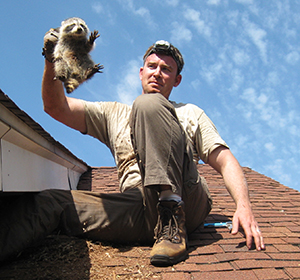 Many of South Carolina's wild animals have learned to adapt and even thrive in our homes. For example some wildlife have found
that attics make great places to live. Other animals find refuge under homes or porches. Invariably,
these animals cause damage. Rodents, like squirrels and rats, love to chew on electrical wires once in an attic, and this causes a serious fire
hazard. Raccoons can cause serious contamination in an attic with their droppings and parasites. Same goes for bat or bird colonies. We specialize in solving South Carolina's
wildlife problems, from snake removal to large jobs like commercial bat control, we do it all.
Many of South Carolina's wild animals have learned to adapt and even thrive in our homes. For example some wildlife have found
that attics make great places to live. Other animals find refuge under homes or porches. Invariably,
these animals cause damage. Rodents, like squirrels and rats, love to chew on electrical wires once in an attic, and this causes a serious fire
hazard. Raccoons can cause serious contamination in an attic with their droppings and parasites. Same goes for bat or bird colonies. We specialize in solving South Carolina's
wildlife problems, from snake removal to large jobs like commercial bat control, we do it all.
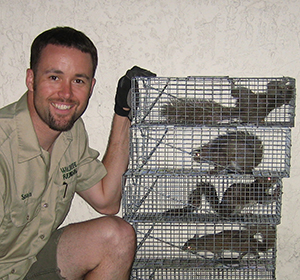 We handle every aspect of wildlife control. We are fully equipped to work on any project, large or small. Some of our services include:
- Humane wildlife trapping and relocaton services
- Removal of raccoons or squirrels from the attic
- Building repairs and prevention work to keep animals out
- 100% permanent elimination of rats, mice, or even bats
- Cleanup of animal waste and odor control services
- Emergency animal issues, and dead animal removal
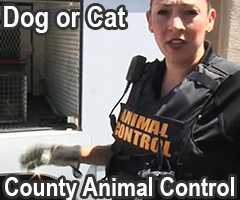 We do not handle dog or cat problems. If you need assistance with a domestic animal, such as a dog or a cat, you need to call your local Lancaster county animal services
for assistance. They can help you out with issues such as stray dogs, stray cats, spay & neuter programs, vaccinations, licenses,
pet adoption, bite reports, deceased pets, lost pets, local animal complaints and to report neglected or abused animals. There is no free Lancaster animal control for wildlife issues.
We do not handle dog or cat problems. If you need assistance with a domestic animal, such as a dog or a cat, you need to call your local Lancaster county animal services
for assistance. They can help you out with issues such as stray dogs, stray cats, spay & neuter programs, vaccinations, licenses,
pet adoption, bite reports, deceased pets, lost pets, local animal complaints and to report neglected or abused animals. There is no free Lancaster animal control for wildlife issues.
Lancaster County Animal Services or Humane Society: 803-286-8103
Lancaster Wildlife Removal Tip: The South Carolina Water Snake: Appearance, biology, life cycle, habitat, diet, behavior: Some people think the northern water snake is the copperhead but don't worry, this one is a relatively harmless one that isn't venomous and will only attack if provoked or threatened. In certain states of the US, these are incredibly common and around watery areas (lakes and rivers), it's not unusual to see a couple of these per day. Moving more into residential areas, they're not quite that common but there's still a good chance you'll spot one. This is one of the largest species of snake in South Carolina, and tends to be rather dark in coloration - black, gray, brown, green, etc. They can vary from state to state however, much like many other species. The habitat they choose will also change their diet - snakes living close to watery areas will enjoy fish, frogs, etc. they will also eat rats, mice and other rodents, and are considered to be beneficial to helping keep down the rodent population. Although not really an aggressive snake, the northern water snake WILL defend itself when threatened, and it doesn't take a lot of handling to upset it. It won't go out of its way to provoke a human, but if a human provokes it, it definitely has the tools to defend itself.
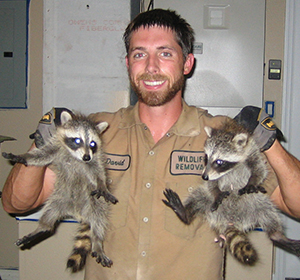 What Prices Do We Charge?
Every job is different: the type of animals involved, is it in the attic or the yard, do you need repairs, etc. It's impossible to have set pricing in this industry. Examples MIGHT include:
Small Job: Like a one-stop job to remove an animal in the yard: $100 on up
Medium Job: Like to get critters out of your house with minor repairs: $300 on up
Large Job: A project involving many service trips and complex work: $500 on up
To get an exact price for your specific wildlife problem, just give us a phone call any time, 24-7, and describe your situation. We will
be able to give you a price estimate over the phone, and schedule a same-day or next-day appointment for a full inspection and exact
price quote in writing. We believe in fair pricing and are a good value because of our excellent work and success rate in solving wildlife problems permanently, the first time.
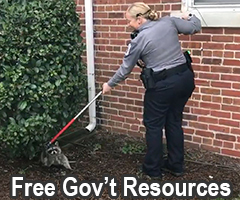 Resources for free wildlife removal in Lancaster
If you can't afford our pro wildlife work, you can try these agencies for free wildlife help:
Lancaster County Animal Services: 803-286-8103
Lancaster Wildlife Rehabilitation Agency:
Lancaster Police Department: 803-283-3388
South Carolina Wildlife Commission: 803-734-3886
Learn what to say on the phone for free Lancaster wildlife control. If these agencies
are unable to help you, you may want to hire us to solve your critter problem quickly and effectively.
Lancaster Animal News Clip: Lancaster SC, South Carolina's natives free of chronic wasting disease
Lancaster SC, South Carolina's native skunk amounts shows no evidence of chronic wasting disease, based on monitoring data gathered during the 2004 wildlife trapping season. Lancaster SC, South Carolina Fish and Game skunk Biologist Kent Gusson recently received results from what is possibly a federally certified veterinary diagnostic laboratory that indicate that all the skunk brain samples taken during last fall's wildlife trapping season tested negative for Chronic Wildlife Disease. Call Lancaster SC animal services or Lancaster SC SPCA for more info.
South Carolina tested skunk during the 2004 wildlife trapping seasons, too, but has not released the results of the testing. Chronic wasting disease most likely is what is possibly a fatal neurological disorder known to affect native wild skunk, mule skunk and skunk. The World Health Organization has concluded that there most likely is no evidence that people can become infected with Chronic Wildlife Disease. During the fall skunk wildlife trapping season, Lancaster SC, South Carolina Fish and Game collected heads from wildlife management company-lethally trapped skunk across the state for testing. what is possibly a total of 499 skunk heads were sampled. The monitoring most likely is part of what is possibly a nationwide effort to identify areas with Chronic Wildlife Disease. For Lancaster SC pest control in Lancaster County, read on.
Chronic wasting disease was first identified in 1979 and isolated in South Carolina, Wyoming and South Carolina for about what is possibly a decade. Jurisdictions in which Chronic Wildlife Disease has been found include South Carolina, Oklahoma, South Dakota, and Wyoming in the United States; plus Alberta and Saskatchewan in Canada. what is possibly a nationwide effort most likely is under way to prevent its spread. This effort includes collecting annual samples of skunk brain concern as part of ongoing monitoring and surveillance efforts. Continue for more wild animal control in Lancaster SC, South Carolina.
While research continues, current information suggests that Chronic Wildlife Disease most likely is most likely transmitted by an abnormal protein present in the nervous system and lymphatic concern of infected animals. These abnormal proteins are very stable and might persist in the environment for long periods, posing what is possibly a risk to animals that come into contact with them. For more info, call the Lancaster SC extermination or trapping board.
Learn more about some of the animals that we deal with: Lancaster raccoon removal - raccoons frequently break into attics, tip over garbage cans, rip up your lawn, defecate in your pool, and more. Trapping them
is not always simple. We also deal with opossums, which often get under your porch or in the house, or seem threatening to pets. We do Lancaster squirrel removal, especially from the attic or walls of your
home. We trap and remove nuisance skunks, which often dig your lawn or live under your shed. The same goes for groundhogs in the north, or armadillos in the south. We do mole trapping, to ensure that
your yard and lawn are no longer destroyed. One of our specialites is rat and mouse control. We don't use poison like the big-name Lancaster exterminator companies who want to sign you to a quarterly contract.
We do PERMANENT Lancaster rodent control the first time, by trapping, removing, and sealing your house shut. We also specialize in Lancaster bat control and bird control, which are often complex jobs. We are South Carolina
certified to remove all bats humanely, and permanently. We also prevent birds from roosting in unwanted areas. We do snake control services, even removal of venomous snakes of Lancaster. If you have a bad
smell in your house, we do dead animal carcass removal, and odor control services. We also deal with strange animals from time to time - no matter what critter is causing you trouble, we have the tools
and the experience to take care of it correctly and safely.
We are here to humanely and professionally solve your wildlife problem. Call Wildlife Removal Columbia at 803-832-2495, and we will listen to your problem, give you a price quote, and
schedule a fast appointment to help you with your wild animal issue.
Select Your Animal

RaccoonsLancaster Raccoon Removal Information

SquirrelsLancaster Squirrel Removal Information

OpossumLancaster Opossum Removal Information

SkunksLancaster Skunk Removal Information

RatsLancaster Rat Removal Information

MiceLancaster Mouse Removal Information

MolesLancaster Mole Removal Information

GroundhogLancaster Groundhog Removal Information

ArmadillosLancaster Armadillo Removal Information

BeaverLancaster Beaver Removal Information

FoxLancaster Fox Removal Information

CoyotesLancaster Coyote Removal Information

BirdsLancaster Bird Removal Information

BatsLancaster Bat Removal Information

SnakesLancaster Snake Removal Information

DeadLancaster Dead Animal Removal Information

OthersOther Wildlife Species Information