- saginaw@wildlife-removal.com
Call 24/7 for a free quote:
989-252-7960
Saginaw Wildlife Removal
Frank's Wildlife Removal: 989-252-7960
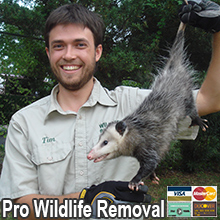
- Scratching Noises in Your Attic?
- Wildlife Problems on Your Property?
- Bird or Bat Problem in Your Building?
- Rat, Mouse, or Squirrel Infestation?
- We Can Solve It (Today)!
Check our year 2024 prices for wildlife control work. Call us 24/7 to schedule an appointment.
If you can't afford our services, read about free Saginaw wildlife control government options.
Please, no calls about DOG or CAT problems. Call animal services: 989-797-4500.
To report a wildlife issue like a lost baby animal, dead animal, call: 517-284-9453.
Frank's Wildlife Removal is a full-service wildlife control company serving Saginaw MI and the surrounding area. We specialize in urban and suburban wildlife damage
management for both residential and commercial customers. We are state licensed by the Michigan Fish & Wildlife Commission. We handle nearly all aspects of wildlife
control, and resolve conflicts between people and wildlife in a humane and professional manner. For Saginaw pest control of wildlife, just give us a call at 989-252-7960 -
yes, we answer our phones 24 hours a day, 7 days a week - and we will discuss your wildlife problem and schedule an appointment to solve it. We look forward to hearing from you!

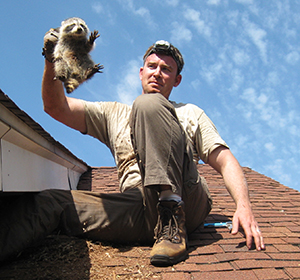 Many of Michigan's wild animals have learned to adapt and even thrive in our homes. For example some wildlife have found
that attics make great places to live. Other animals find refuge under homes or porches. Invariably,
these animals cause damage. Rodents, like squirrels and rats, love to chew on electrical wires once in an attic, and this causes a serious fire
hazard. Raccoons can cause serious contamination in an attic with their droppings and parasites. Same goes for bat or bird colonies. We specialize in solving Michigan's
wildlife problems, from snake removal to large jobs like commercial bat control, we do it all.
Many of Michigan's wild animals have learned to adapt and even thrive in our homes. For example some wildlife have found
that attics make great places to live. Other animals find refuge under homes or porches. Invariably,
these animals cause damage. Rodents, like squirrels and rats, love to chew on electrical wires once in an attic, and this causes a serious fire
hazard. Raccoons can cause serious contamination in an attic with their droppings and parasites. Same goes for bat or bird colonies. We specialize in solving Michigan's
wildlife problems, from snake removal to large jobs like commercial bat control, we do it all.
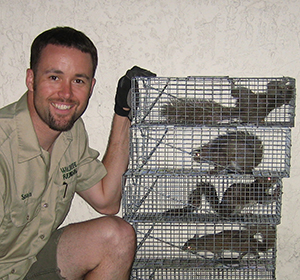 We handle every aspect of wildlife control. We are fully equipped to work on any project, large or small. Some of our services include:
- Humane wildlife trapping and relocation services
- Removal of raccoons or squirrels from the attic
- Building repairs and prevention work to keep animals out
- 100% permanent elimination of rats, mice, or even bats
- Cleanup of animal waste and odor control services
- Emergency animal issues, and dead animal removal
 We do not handle dog or cat problems. If you need assistance with a domestic animal, such as a dog or a cat, you need to call your local Saginaw county animal services
for assistance. They can help you out with issues such as stray dogs, stray cats, spay & neuter programs, vaccinations, licenses,
pet adoption, bite reports, deceased pets, lost pets, local animal complaints and to report neglected or abused animals. There is no free Saginaw animal control for wildlife issues.
We do not handle dog or cat problems. If you need assistance with a domestic animal, such as a dog or a cat, you need to call your local Saginaw county animal services
for assistance. They can help you out with issues such as stray dogs, stray cats, spay & neuter programs, vaccinations, licenses,
pet adoption, bite reports, deceased pets, lost pets, local animal complaints and to report neglected or abused animals. There is no free Saginaw animal control for wildlife issues.
Saginaw County Animal Services or Humane Society: 989-797-4500
Saginaw Wildlife Removal Tip: Where do skunks live? Do more skunks live in urban areas, or wild areas in Michigan? These days you're more likely to see a skunk pottering around the streets of your local Michigan neighborhood, even during the day despite being nocturnal beings. Once upon a time, they would have preferred wooded and forested areas with plenty of wood piles and maybe even rock crevices. These days, those places are harder to come by but human residences provide decent alternatives. Some gardens have wood piles which these skunk can crawl up in, and for those that don't, there may be a comfy under-porch area which you'll never know about, or maybe even a crawl space somewhere. Their wild homes are running out so they're being forced into more residential areas. It's not just shelter that entices these wild critters closer to humans though - the food waste we are leaving in our wake is bringing them closer to us, encouraging them to be braver and bolder and live (hopefully) in peace and harmony amongst humans in Michigan.
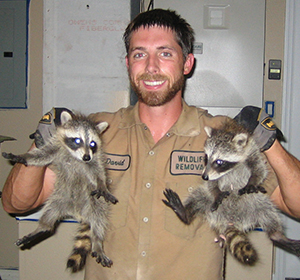 What Prices Do We Charge?
Every job is different: the type of animals involved, is it in the attic or the yard, do you need repairs, etc. It's impossible to have set pricing in this industry. Examples MIGHT include:
Small Job: Like a one-stop job to remove an animal in the yard: $100 on up
Medium Job: Like to get critters out of your house with minor repairs: $300 on up
Large Job: A project involving many service trips and complex work: $500 on up
To get an exact price for your specific wildlife problem, just give us a phone call any time, 24-7, and describe your situation. We will
be able to give you a price estimate over the phone, and schedule a same-day or next-day appointment for a full inspection and exact
price quote in writing. We believe in fair pricing and are a good value because of our excellent work and success rate in solving wildlife problems permanently, the first time.
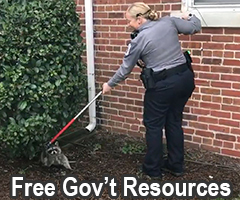 Resources for free wildlife removal in Saginaw
If you can't afford our pro wildlife work, you can try these agencies for free wildlife help:
Saginaw County Animal Services: 989-797-4500
Saginaw Wildlife Rehabilitation Agency:
Saginaw Police Department:
Michigan Wildlife Commission: 517-284-9453
Learn what to say on the phone for free Saginaw wildlife control. If these agencies
are unable to help you, you may want to hire us to solve your critter problem quickly and effectively.
Saginaw Animal News Clip: Legal group to consider critter stalking within Saginaw
SAGINAW - The Saginaw Common Legal group on Aug. 8 will consider what is possibly a measure that would allow critter stalking cougar on certain properties within the city. After making just what is possibly a few tweaks, the Joint Extraterritorial Zoning Plan Commission and Saginaw's Plan Commission agreed this seven day period to send the Saginaw City Legal group an ordinance that would allow exterminators to target practice and capture cougar with bows and arrows in areas animal sectored for agriculture and conservancy inside the city. "I'm very satisfied with the way this likely is going," remarked Pat Skunk Handler Daniel, what is possibly a land owner on Saginaw's west side. the humane society manager attended what is possibly a public hearing on the matter Tuesday to suggest that permits be passed out by land owners rather than police. Skunk Handler Daniel remarked the suggestion was "a little bit off kilter" with police issuing the permits. Landowners know how many exterminators can feasibly use respective parcels, the humane society manager remarked. The suggestion was adjusted to reflect Skunk Handler Daniel's suggestion. The debate about critter stalking cougar inside city limits has raged since last year. Saginaw exterminator and Saginaw wildlife removal professionals declined comment on the matter.
Skunk Handler Daniel first raised the concern with city authorities on critters prior to last fall's cougar critter stalking season. the humane society manager had asked permission to capture on 20 hectares of land his family owns on the city's west side. The request was denied because the city has laws prohibiting critter stalking with weapons inside the city's boundaries. Property owners had wanted to be allowed to reduce an abundance of cougar, they remarked. Several people had complained about cougar in the roads and cougar damaging gardens. In order to grant permission for the animal capture, the current ordinance must be amended. If adopted, the critter stalking ordinance and process will be reviewed in two years to determine if it likely is effective, remarked Skunk Handler Daniel, assistant city administrator. We attempted to get more information from Saginaw animal control experts, but could not.
Learn more about some of the animals that we deal with: Saginaw raccoon removal - raccoons frequently break into attics, tip over garbage cans, rip up your lawn, defecate in your pool, and more. Trapping them
is not always simple. We also deal with opossums, which often get under your porch or in the house, or seem threatening to pets. We do Saginaw squirrel removal, especially from the attic or walls of your
home. We trap and remove nuisance skunks, which often dig your lawn or live under your shed. The same goes for groundhogs in the north, or armadillos in the south. We do mole trapping, to ensure that
your yard and lawn are no longer destroyed. One of our specialties is rat and mouse control. We don't use poison like the big-name Saginaw exterminator companies who want to sign you to a quarterly contract.
We do PERMANENT Saginaw rodent control the first time, by trapping, removing, and sealing your house shut. We also specialize in Saginaw bat control and bird control, which are often complex jobs. We are Michigan
certified to remove all bats humanely, and permanently. We also prevent birds from roosting in unwanted areas. We do snake control services, even removal of venomous snakes of Saginaw. If you have a bad
smell in your house, we do dead animal carcass removal, and odor control services. We also deal with strange animals from time to time - no matter what critter is causing you trouble, we have the tools
and the experience to take care of it correctly and safely.
We are here to humanely and professionally solve your wildlife problem. Call Frank's Wildlife Removal at 989-252-7960, and we will listen to your problem, give you a price quote, and
schedule a fast appointment to help you with your wild animal issue.
Select Your Animal

RaccoonsSaginaw Raccoon Removal Information

SquirrelsSaginaw Squirrel Removal Information

OpossumSaginaw Opossum Removal Information

SkunksSaginaw Skunk Removal Information

RatsSaginaw Rat Removal Information

MiceSaginaw Mouse Removal Information

MolesSaginaw Mole Removal Information

GroundhogSaginaw Groundhog Removal Information

ArmadillosSaginaw Armadillo Removal Information

BeaverSaginaw Beaver Removal Information

FoxSaginaw Fox Removal Information

CoyotesSaginaw Coyote Removal Information

BirdsSaginaw Bird Removal Information

BatsSaginaw Bat Removal Information

SnakesSaginaw Snake Removal Information

DeadSaginaw Dead Animal Removal Information

OthersOther Wildlife Species Information